
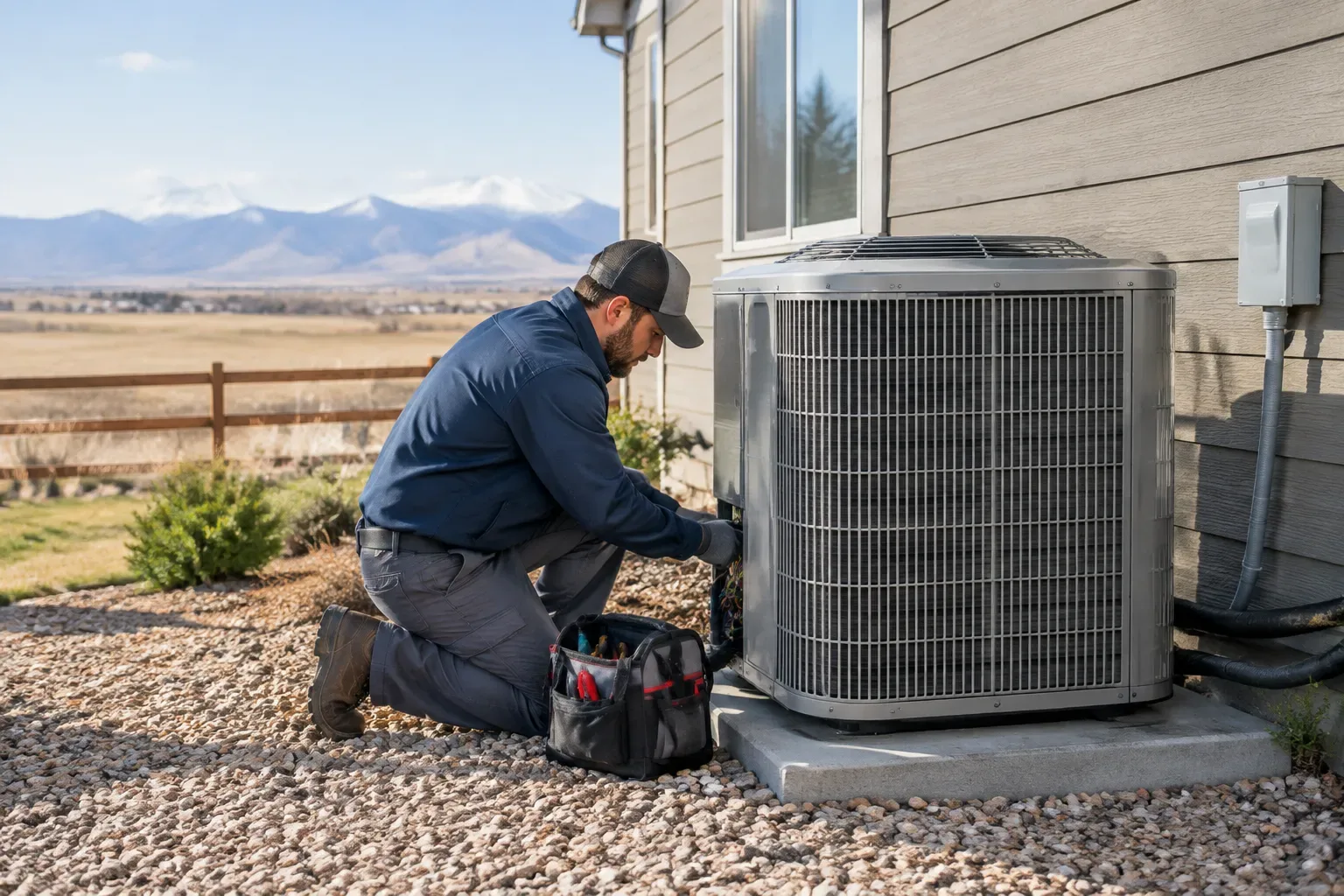
What Is the Best Time to Schedule an AC Tune-Up Before Summer?
The best time to schedule an AC tune-up is spring, ideally before the first sustained stretch of hot weather makes daily cooling necessary. For homes in Bennett and the Greater Denver area, booking early in the season gives a technician time to identify wear or performance concerns before your system is working its hardest.
There is no single perfect calendar date for every home. Front Range spring weather can swing between warm afternoons and cool days, so the practical goal is simple: complete maintenance before you depend on the air conditioner every day.
Quick Answer
Schedule AC maintenance in spring, before sustained summer heat arrives. Book sooner if your system had trouble last cooling season or you notice weak airflow, unusual sounds, ice, water near the equipment, odors, or inconsistent temperatures. A tune-up is preventive service, while an active cooling or electrical problem may require AC repair instead.
Eden Heating and Cooling serves Bennett and the Greater Denver area with heating and cooling service, maintenance, cleaning, and installation support.
Why is spring the best season for AC maintenance?
Spring gives you a useful buffer. If an inspection identifies a worn electrical component, drainage concern, airflow restriction, or refrigerant-related performance issue, there is time to diagnose the condition and discuss the next step before peak cooling demand begins.
Waiting until the first hot stretch can turn a routine appointment into a more stressful situation. It can also mean the system is already running long hours before an issue becomes apparent. Maintenance cannot guarantee that an air conditioner will never fail, but it can uncover conditions worth addressing before heavy use.
Colorado spring conditions make that timing especially practical. Wind and dry conditions can leave dust or debris around an outdoor unit, while a dirty filter can restrict airflow indoors. At higher elevations and in a comparatively dry climate, comfort and cooling performance should be evaluated in the actual home, including airflow, refrigerant performance, possible duct leakage, and system capacity, rather than judged solely by whether the thermostat turns the system on.
How far ahead should you book an AC tune-up?
Aim to book before the first sustained hot period, not after the system has already become essential. Early spring is often the most comfortable planning window because it leaves room for any recommended follow-up work without forcing a rushed decision.
The right lead time varies with current demand, your preferred appointment window, and whether the system has a history of trouble. Rather than assuming a set number of weeks, contact the provider for current scheduling. If you skipped maintenance last year, scheduling as soon as practical is more useful than waiting for an ideal date that may pass.
What does a professional AC tune-up usually check?
The exact scope depends on the contractor and equipment, but a professional pre-season visit commonly evaluates the system's general operation and the parts most likely to affect safe, reliable cooling. This is different from a repair diagnosis, which focuses on finding the cause of a specific failure or symptom.
A technician may inspect:
- Thermostat operation and cooling response
- Filter condition and airflow concerns
- Electrical connections and components
- Condensate drainage, which moves moisture away from the indoor equipment
- The outdoor unit's condition, including accessible debris around it
- Refrigerant-related performance indicators
- Overall cooling operation and unusual sounds or cycling behavior
The U.S. Department of Energy recommends regular attention to filters, coils, and other air-conditioning components because neglected maintenance can reduce performance and contribute to operating problems. See its guidance on maintaining your air conditioner. ENERGY STAR also distinguishes routine homeowner care from professional maintenance needs in its air conditioner maintenance guidance.
What should you do before the technician arrives?
A little preparation helps the visit focus on the equipment rather than access issues. Do not remove electrical panels or attempt refrigerant work yourself. Refrigerant handling, electrical diagnosis, and component replacement require professional evaluation.
- Replace a visibly dirty filter if you know the correct filter type and size for your equipment. Follow the manufacturer's guidance because the wrong filter can create airflow problems.
- Clear stored items, leaves, and loose debris from around the indoor and outdoor equipment. Keep access paths open without spraying or disassembling the unit.
- Write down what you have noticed, such as rooms that stay warmer, sounds during startup, short cycling, odors, water, or thermostat behavior.
- Note any repairs from the previous cooling season and whether the system struggled during the hottest days.
Which signs mean you need repair instead of routine maintenance?
A tune-up is appropriate for a system that appears to be operating normally and is due for preventive attention. It is not a substitute for diagnosing a clear malfunction.
For example, weak airflow is an observable symptom. A dirty filter, blower issue, duct restriction, or another condition could be a possible cause. A professional finding comes only after inspection and testing. The same distinction matters for uneven cooling, noisy operation, and high indoor humidity, which can have more than one explanation and may involve equipment, ductwork, controls, insulation, or another part of the home.
Arrange a repair evaluation rather than waiting for maintenance if you notice:
- No cooling or a system that shuts down unexpectedly
- Ice on refrigerant lines or the indoor coil area
- A burning smell, smoke, sparking, or repeated breaker trips
- Significant water leakage near indoor equipment
- New grinding, screeching, or loud electrical noises
- Frequent short cycling, where the system starts and stops repeatedly
Some of these conditions can involve electrical or water-management concerns, and some could originate outside the cooling equipment itself. A qualified inspection is the right way to separate the possibilities.
When should a tune-up lead to an AC replacement conversation?
Maintenance is not automatically a reason to replace a working system. It is the right time to ask better questions if the inspection finds a major concern, the equipment needs repeated repairs, comfort remains poor despite service, or the system uses obsolete refrigerant.
A repair can be sensible when the issue is isolated and the rest of the equipment is operating well. Replacement may deserve consideration when repairs keep recurring or when there are broader efficiency, reliability, or comfort problems. A proper recommendation should account for the equipment's condition, system performance, and the home, not simply the unit's age.
If replacement becomes the practical option, review AC installation and replacement options separately from the maintenance visit so you can compare the scope of work and make an informed decision.
Can you maintain an air conditioner yourself between professional visits?
Yes, within safe limits. Home care usually means checking filters, keeping accessible areas around the outdoor unit clear, watching for drainage or performance changes, and reporting symptoms early. These tasks support airflow and help you spot a developing issue.
Do not try to recharge refrigerant, open electrical compartments, modify wiring, or diagnose capacitors based on an online checklist. Those tasks can be hazardous and require tools and testing to confirm the actual problem. For a broader view of available heating and cooling support, see Eden's HVAC services.
What is the practical takeaway before summer?
Book spring maintenance before your AC has to carry the house through sustained heat. Clear access, check the filter according to equipment guidance, and record any symptoms. If the system is already showing warning signs, treat it as a repair question rather than hoping a routine tune-up will solve an active fault.
Ready to discuss your project?
Schedule spring AC maintenance before sustained summer heat arrives in Bennett and the Greater Denver area.
FAQ
What is the best month for an AC tune-up?
Spring is generally the best season, but the best month depends on when sustained cooling demand begins in your area and when you can schedule service. In Bennett and the Greater Denver area, unpredictable spring temperatures are a reason to plan ahead rather than wait for consistently hot weather. The key is completing service before the AC must run heavily every day.
Should I service my air conditioner every year?
Annual professional maintenance is a practical approach for many central air-conditioning systems because it creates a regular opportunity to inspect airflow, drainage, electrical components, and overall cooling operation. Your manufacturer's instructions should guide equipment-specific care. Between visits, check filters and watch for new performance changes, but do not assume basic homeowner tasks replace professional evaluation.
How long does an AC tune-up take?
The visit length varies with the equipment, access, maintenance scope, and whether the technician finds a condition that needs additional diagnosis. A straightforward maintenance visit is different from troubleshooting a no-cooling complaint, electrical problem, or suspected refrigerant issue. Ask about the expected appointment scope when scheduling rather than relying on a universal time estimate.
Is spring or fall better for AC maintenance?
Spring is usually better if your priority is preparing the cooling system for summer. A fall visit can still be worthwhile when spring service was missed or the system showed trouble during the prior cooling season. If you also need heating service before cold weather, that is a separate seasonal concern. For a heating problem rather than preventive care, review furnace repair service.
Can an AC tune-up stop my system from breaking down?
No maintenance visit can promise that a system will not fail. Parts can wear unexpectedly, and some problems develop between appointments. A tune-up can still be valuable because it may identify restricted airflow, drainage issues, component wear, or abnormal operation before high-demand summer use. It is best viewed as risk reduction and system evaluation, not a guarantee.
What if my AC is blowing warm air before my tune-up?
Warm air is not a routine-maintenance symptom to ignore. It may stem from thermostat settings, airflow trouble, an electrical issue, refrigerant-related performance, or another cause that needs diagnosis. Turn the system off if you see ice or smell burning, and arrange AC repair rather than waiting for a standard seasonal appointment.
Should I replace my filter before AC maintenance?
If the filter is visibly dirty and you know the correct replacement type and size, changing it before the visit can help restore airflow and give the technician a clearer picture of the system. Do not choose a filter based only on thickness or marketing claims. Use the equipment manufacturer's guidance, because an overly restrictive filter can create its own airflow issue.